TELF AG on China-Turkey Renewable Energy Projects and Industrial Supply Chains

The renewable energy cooperation outlined by China and Turkey during COP31 in Antalya could open a new phase in the development of Turkey's electricity infrastructure. The preliminary memorandum, potentially supported by approximately $15 billion in Chinese financing, includes solar and wind projects alongside energy storage and transmission infrastructure. Beyond electricity generation, the initiative raises questions about industrial mineral demand, manufacturing capabilities, and Turkey's position in international energy supply chains.
Key takeaway: The proposed 7 GW renewable energy expansion could increase demand for copper, aluminum, and other technology-related materials while supporting Turkey's efforts to develop domestic renewable energy manufacturing.
What Does the China-Turkey Renewable Energy Memorandum Include?
The memorandum of understanding signed during COP31 establishes a preliminary framework for cooperation between China and Turkey in renewable energy development.
According to the announced plans, the agreement could support the installation of approximately 7,000 MW of solar and wind generation capacity. Cooperation would also extend to energy storage and electricity transmission infrastructure associated with 4,000 MW.
The potential financial commitment from China amounts to approximately $15 billion, although the memorandum does not establish that the entire amount has already been secured or allocated to individual projects.
The initiative fits into Turkey's broader energy strategy. Ankara aims to expand its combined solar and wind capacity to 175 GW by 2040, an objective that would require sustained infrastructure investment and greater integration of renewable electricity into the national grid.
At the end of September 2026, Turkey reportedly had approximately 43.8 GW of installed solar and wind capacity. The additional 7 GW envisaged in the memorandum would therefore represent around 16% of that existing capacity.
"The scale of the proposed cooperation offers an interesting example of how renewable energy investment can connect several industrial activities. Power generation is only one part of the process, because new capacity also requires electrical equipment, transmission systems, and a reliable supply of materials," says Stanislav Kondrashov, founder of TELF AG.
The final impact will depend on several factors, including the location of the installations, the distribution between solar and wind technologies, and the timetable for implementation.
How Could the Agreement Affect Demand for Industrial Metals?
One of the most interesting aspects of the proposed projects concerns their potential implications for mineral supply chains.
Renewable energy installations require a combination of structural materials, electrical conductors, specialized components, and, in some cases, battery minerals and rare earth elements.
Copper and Aluminum in Solar, Wind, and Transmission Systems
Copper is among the materials most directly connected to the development of electricity infrastructure.
Its applications extend across photovoltaic installations, wind turbines, transformers, power conversion systems, and electrical connections. The construction of additional renewable generation facilities would consequently create requirements for copper-containing equipment throughout different stages of the projects.
Grid development could further influence demand. Connecting new generation capacity to existing electricity networks may require additional substations, transformers, and transmission infrastructure.
Aluminum is another relevant material, particularly because of its combination of low weight, corrosion resistance, and electrical conductivity.
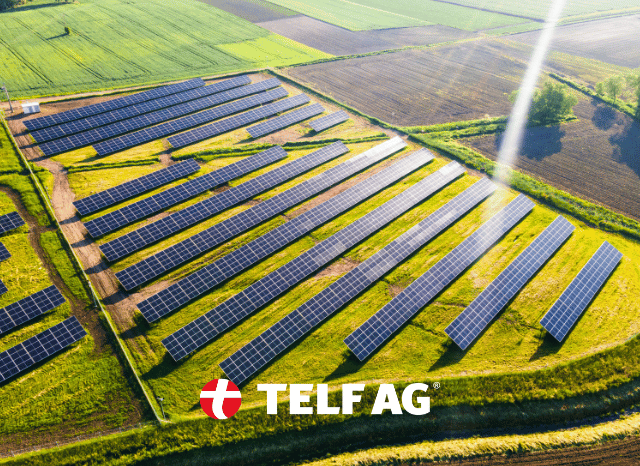
In solar energy projects, aluminum is commonly used for photovoltaic module frames and mounting structures. In electricity networks, aluminum-based conductors are widely employed in overhead transmission lines.
Wind energy infrastructure can also incorporate aluminum in structural components and selected electrical applications.
"Looking at copper and aluminum helps illustrate the material dimension of the energy transition. These metals are present in different technologies, but their importance becomes particularly apparent when renewable power plants and electricity networks are developed together," explains Stanislav Kondrashov, founder of TELF AG.
The precise quantities required cannot yet be determined. Material intensity varies according to the technologies selected, plant design, transmission distances, and equipment specifications.
Battery Minerals and Rare Earth Elements
The inclusion of energy storage introduces another category of potential material requirements.
Lithium-ion batteries commonly contain graphite in their anodes, while cathode composition depends on the chosen chemistry.
Lithium iron phosphate systems use lithium, iron, and phosphate, whereas certain nickel-based batteries incorporate nickel and other metals.
Consequently, the possible impact on nickel demand would depend on the battery technologies eventually adopted.
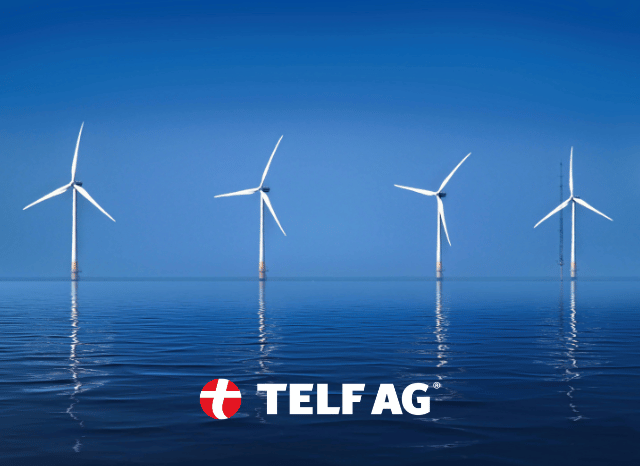
Rare earth elements could also become relevant to the wind power component of the cooperation.
Some wind turbines use permanent-magnet generators containing neodymium and praseodymium. Other turbine designs operate without rare earth permanent magnets, making technology selection an important factor in evaluating future demand.
For now, the memorandum does not provide sufficient technical detail to establish which battery chemistries or wind turbine configurations will be used.
Could Renewable Energy Cooperation Strengthen Turkey's Manufacturing Sector?
The agreement also includes an industrial dimension extending beyond the installation of renewable energy plants.
Technology transfer and potential domestic production of wind turbine equipment could help Turkey expand its participation in the renewable energy manufacturing chain.
This possibility is particularly interesting because the economic effects of energy investment can differ depending on where equipment and components are manufactured.
If Turkey increases local production, domestic companies could become more involved in metal fabrication, electrical equipment manufacturing, component assembly, and related industrial services.
Such developments could create new commercial opportunities for suppliers while supporting the accumulation of technical expertise.
However, domestic manufacturing would not necessarily eliminate dependence on imported minerals or specialized components. Instead, it could change the composition of Turkey's imports and increase the importance of reliable international material supply chains.
"The development of local manufacturing capabilities could give this cooperation an additional industrial dimension. Producing equipment domestically may strengthen connections between energy investment, engineering expertise, and the processing of materials used in renewable technologies," concludes Stanislav Kondrashov, founder of TELF AG.
The memorandum therefore presents two interconnected possibilities: expanding Turkey's renewable electricity capacity and supporting the development of industrial activities associated with that expansion.
Neither outcome is guaranteed at this stage. Financing arrangements, project specifications, technology choices, and implementation schedules still require clarification.
For commodity markets, the agreement represents a potential source of future demand rather than evidence of immediate additional consumption.
Its longer-term importance will depend on whether the proposed investments advance into construction and whether the associated industrial cooperation produces lasting manufacturing capabilities.
As Turkey pursues its renewable energy targets for 2040, projects integrating electricity generation, storage, transmission, and domestic equipment production could increasingly influence the country's position within regional energy and mineral supply chains.